Table Of Content
"If there's any excuse not to shave and have makeup put on, I, you know ..." Learn all about birds around the world through our growing collection of in-depth expert guides. Their breeding cycle is 14 months, and is the longest by far in the family. Penguins can recognise their chicks from the distinctive call of the chick.
How come some penguins’ hair is yellow?
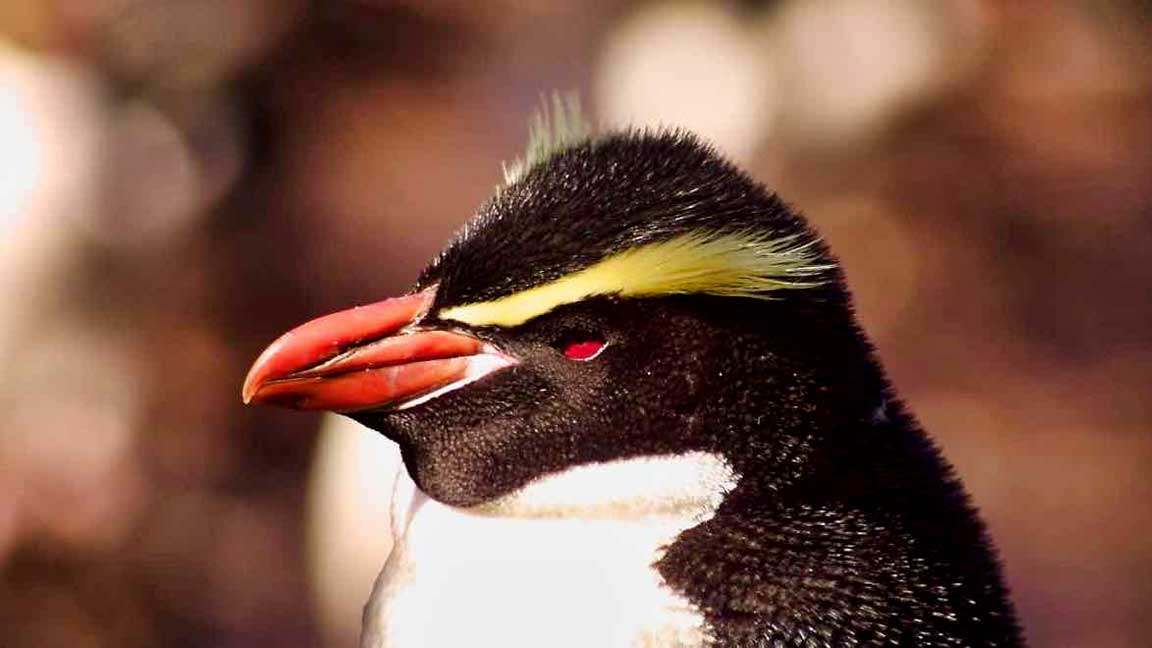
Now, let’s become acquainted with these unique penguin species with golden feathers. The Yellow Eyed Penguin, Megadyptes antipodes, may have the most distinctive coloring of all the yellow-haired penguins you have seen so far. All three species of Rockhopper penguins have brilliant yellow “eyebrows” and extended yellow feather plumes behind each red eye. At the time when these penguins were given their name, the word “macaroni” in English referred to a man who dressed in a flashy manner rather than a mouthwatering portion of pasta.
Penguins Step on Sea Lions
These penguins have a yellow feathered streak that resembles a particularly bushy pair of yellow eyebrows that starts where their upper beak ends. These “eyebrows” hang down the back of the neck after continuing up and over the head. The yellow feathers grow directly behind the eye areas on either side of the head and on the lower bill, as well as a little splash just below the neck region.
Colin Farrell Clears Up The Batman Rumors About His Hair - CinemaBlend
Colin Farrell Clears Up The Batman Rumors About His Hair.
Posted: Thu, 23 Jan 2020 08:00:00 GMT [source]
Fiordland Penguins
While most penguin species live in colder areas, some species, like the Galapagos Penguin, live in more temperate regions. Read on to learn all about the many different kinds of penguins and the fascinating lives they lead. Parents often leave their babies for up to 24 hours in their ‘creches’ (name for a group of penguin chicks), whilst they go off and hunt for food. All of these methods always remain the same, by firstly the parents catching fish, krill or squid. Adult penguins swallow food and save it for later in a form that the chicks can consume.
Yellow Eyed Penguin with Yellow Hair
They can be found along the southern coastlines of Australia, particularly in Victoria and Tasmania. Little Blue Penguins are known for their vibrant blue feathers and their habit of returning to the same burrow each night after a day of fishing in the ocean. All species of penguin are colonial, meaning that they live in large groups. During the breeding season, penguins come ashore and nest in huge colonies called rookeries. Rookeries can consist of hundreds of thousands of birds and span over hundreds of square miles.
Because this type of genetic mutation is recessive, Grouw says he suspects this penguin is a female, and appears to be a young adult. If she mates with another King Penguin who carries this same gene and they have female chicks, they would share her striking all-yellow plumage. A penguin's tail is short, and wedge-shaped, with 14 to 18 stiff tail feathers.
Penguin Species Index
So, let’s continue to celebrate and admire these remarkable birds and work towards ensuring their survival for generations to come. Although smaller in size compared to the erect crested penguin, the emperor penguin stands out with its striking yellow feathers around its neck. This majestic bird, Aptenodytes forsteri, is the largest species of penguin and is known for its remarkable adaptations to the harsh Antarctic environment. Its diet consists of a variety of crustaceans, mainly krill, as well as small fish and cephalopods; the species consumes more marine life annually than any other species of seabird. These birds moult once a year, spending about three to four weeks ashore, before returning to the sea. Numbering up to 100,000 individuals, the breeding colonies of the macaroni penguin are among the largest and densest of all penguin species.
The current state of penguin species is precarious, with climate change, habitat loss, and other human-induced factors threatening their survival. However, through concerted conservation efforts, there is hope for the recovery and protection of these remarkable birds. By working together, we can ensure a future where penguins continue to enchant us with their unique charm and resilience. Emperor Penguins are the largest of all penguin species, standing at an impressive height of up to 4 feet (1.2 meters). They have a striking black and white plumage, with a vibrant yellow patch on their chest. These majestic birds are known for their remarkable adaptation to the harsh Antarctic environment, enduring extreme cold and long periods without food.
Another variant of the Rockhopper species, Southern Rockhoppers generally weigh a little less than Northern Rockhoppers and are one of the smallest penguins on this list. These penguins are prolific hunters and are constantly foraging for food throughout the day and night. They like to make homes on rocky coasts and islands in the southeastern Pacific, where they feed on the marine life below.
They are now regarded to be a species that is at risk of extinction. They would much rather spend the entire winter season at sea, and they will only travel to land to breed when the time comes. The appearance is that each eye is surrounded by a ring of luscious yellow lashes. The position of the yellow and orange markings of an Emperor penguin is remarkably comparable to that of a Royal penguin’s markings.
They are known for their agility and can navigate steep slopes with ease, making their homes on rocky Antarctic shores. As you can see, penguins come in a range of sizes, from the tiny Little Blue Penguins to the majestic Emperor Penguins. Each species has its own unique characteristics and adaptations that allow them to thrive in their respective habitats. Whether large or small, penguins continue to captivate us with their charm and resilience. South America is home to several penguin species, including the Humboldt Penguins and the Galapagos Penguins. Humboldt Penguins can be found along the coasts of Peru and Chile, while Galapagos Penguins are endemic to the Galapagos Islands.